
1. Trading Tips for Beginners
What is Trading?
Trading means buying and selling financial instruments like stocks, forex, crypto, or commodities in hopes of turning a profit. While investing looks long-term, trading is often short-term and designed to take advantage of price movements.
For those just starting out, these Trading Tips for Beginners will help you navigate the complexities of the market.
Why People Get Into Trading
Some are drawn by the excitement, others by the potential for financial freedom. But whatever your reason, always remember: your most valuable asset is knowledge.
2. Setting Realistic Expectations
Trading is Not a Get-Rich-Quick Scheme
Remember, these Trading Tips for Beginners are designed to help you avoid pitfalls and make informed decisions.
Let’s be real—trading isn’t a lottery ticket.
You’re not going to turn $100 into a fortune overnight. It takes time, discipline, and a tested strategy.
By following these Trading Tips for Beginners, you can build a solid foundation for your trading journey.
Understanding Risks and Rewards
These Trading Tips for Beginners emphasize the importance of understanding market dynamics.
Every trade carries a risk.
The real secret? Managing those risks so your wins consistently outweigh your losses. If the thought of losing money causes panic, you’re probably not ready to start trading.
3. Choosing the Right Market
For beginners, following these Trading Tips for Beginners can greatly enhance your trading experience.
Stock Market
Embrace these Trading Tips for Beginners to make more informed trading decisions.
A popular choice for beginners. It’s highly regulated, packed with resources, and filled with publicly traded companies.
Forex Market
Trades 24 hours a day, five days a week. Offers high liquidity and low entry barriers—but it’s extremely volatile.
Applying these Trading Tips for Beginners will help you find a broker that suits your needs.
Cryptocurrency Market
Crypto trades 24/7. It’s thrilling and volatile. Perfect for risk-lovers, but not the ideal space for someone just starting out.
Additionally, these Trading Tips for Beginners will guide you in assessing broker reliability.
Commodity Trading
Think gold, oil, and coffee. It’s not as trendy for beginners, but still a solid market to consider.
Understanding these key terms is part of the Trading Tips for Beginners.
4. Picking a Reliable Broker
What to Look for in a Broker
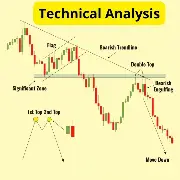
Chart patterns are included in the Trading Tips for Beginners to assist with market analysis.
Low commissions, easy-to-use platforms, solid customer service, and education tools.
Find one that fits your trading style.
Regulated vs. Unregulated Brokers
Setting clear goals is one of the essential Trading Tips for Beginners.
Always go with a regulated broker.
If something goes wrong, it’s reassuring to have oversight on your side.
5. Learning the Basics
Key Trading Terminologies
Managing risk is a critical aspect of Trading Tips for Beginners that cannot be overlooked.
You need to know terms like pips, spreads, leverage, and margin.
These aren’t buzzwords—they’re the foundation of smart trading.
Order Types Explained
From market orders to limit orders and stop-losses—understanding these can protect you from unexpected losses.
Chart Patterns and Technical Indicators
These are like roadmaps.
Learn to read candlesticks, RSI, moving averages, and MACD to navigate the market more confidently.
6. Creating a Solid Trading Plan
Setting Goals and Strategy
Practicing these Trading Tips for Beginners on demo accounts prepares you for real trading.
Are you here for side income or aiming to go full-time?
Your plan should match your goals and lifestyle.
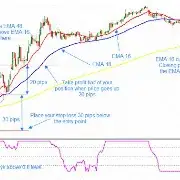
Defining Entry and Exit Points
Plan your move before entering. Know exactly when to jump in and when to get out.
7. Managing Your Risk
Incorporate these Trading Tips for Beginners to stay informed about market developments.
Position Sizing
Never go all in.
Use a small portion of your capital on each trade to reduce stress and emotional decisions.
Using Stop Losses
A stop-loss acts as your backup parachute.
It limits losses and keeps one bad trade from wrecking your portfolio.
Controlling emotions is key, and it’s one of the Trading Tips for Beginners to master.
Risk-Reward Ratio
Aim for a 1:2 risk-to-reward ratio.
In other words, for every $1 you risk, set a target of making at least $2.
8. Practicing With Demo Accounts
Benefits of Paper Trading
These Trading Tips for Beginners will help you avoid common mistakes that can derail your progress.
Demo accounts let you practice with fake money.
Think of them as a trading simulator—ideal for making all your rookie mistakes safely.
Simulating Real Market Conditions
Approach it like it’s the real thing. Test strategies, build routines, and gain confidence before using real funds.
9. Staying Informed
Make journaling a part of your routine as advised in these Trading Tips for Beginners.
Following Financial News
News shapes the markets. Stay up to date with corporate earnings, policy changes, and world events.
Keeping Up With Economic Calendars
These calendars help you track key events like interest rate announcements or employment reports—events that can trigger big price swings.
10. Emotions and Psychology in Trading
Focusing on consistency is among the top Trading Tips for Beginners for long-term success.
Controlling Fear and Greed
These emotions kill more accounts than bad strategies ever will.
Keep calm, and avoid revenge trading or overconfidence after a win.
Remember, the best Trading Tips for Beginners come from continuous learning and adaptation.
Sticking to Your Plan
Don’t let panic or FOMO override your game plan.
Stick to what you’ve practiced—win or lose.
11. Avoiding Common Beginner Mistakes
Overtrading
More trades don’t mean more profits.
Stick to high-quality setups, not constant action.
Ignoring Risk Management
Even a winning strategy can collapse without managing risk properly.
Every trade should be calculated, not emotional.
12. The Power of Journaling Trades
Tracking Performance
A trading journal helps you analyze your performance and see patterns in your decision-making.
Learning From Mistakes
Lost a trade? Good. Now figure out why.
Your biggest lessons often come from your worst trades.
13. Building Long-Term Success
Consistency Over Big Wins
It’s not about one lucky win.
It’s about stacking small, consistent gains over time.
Continuous Learning
Markets evolve—and so should you.
Read, research, and join trading communities to keep improving.
14. Conclusion and Final Thoughts
Trading can be exhilarating, but it’s not easy. You’ll face setbacks, confusion, and frustration—but every pro once stood exactly where you are now.
With discipline, risk control, and a hunger to learn, you can thrive in this space.
Stick to your plan. Take your time. Never stop learning.
You’re more capable than you think.
FAQs
1. Is trading better than investing?
Trading offers faster gains but higher risk. Investing is slower, safer, and more passive.
Pick based on your financial goals and risk appetite.
2. How much money do I need to start trading?
You can technically begin with $100. But having $500–$1000 gives you more room to learn and experiment.
3. What’s the typical timeframe for someone to become a successful trader?
It varies from person to person. Some find success in months, others in years.
Consistency and effort matter more than speed.
4. Is it possible to trade while holding down a full-time job?
Yes! Many start part-time.
Swing trading and longer-term strategies are ideal for busy schedules.
5. What’s the most important skill in trading?
Discipline.
Without it, no strategy or tool will work effectively.
Please don’t forget to leave a review.
